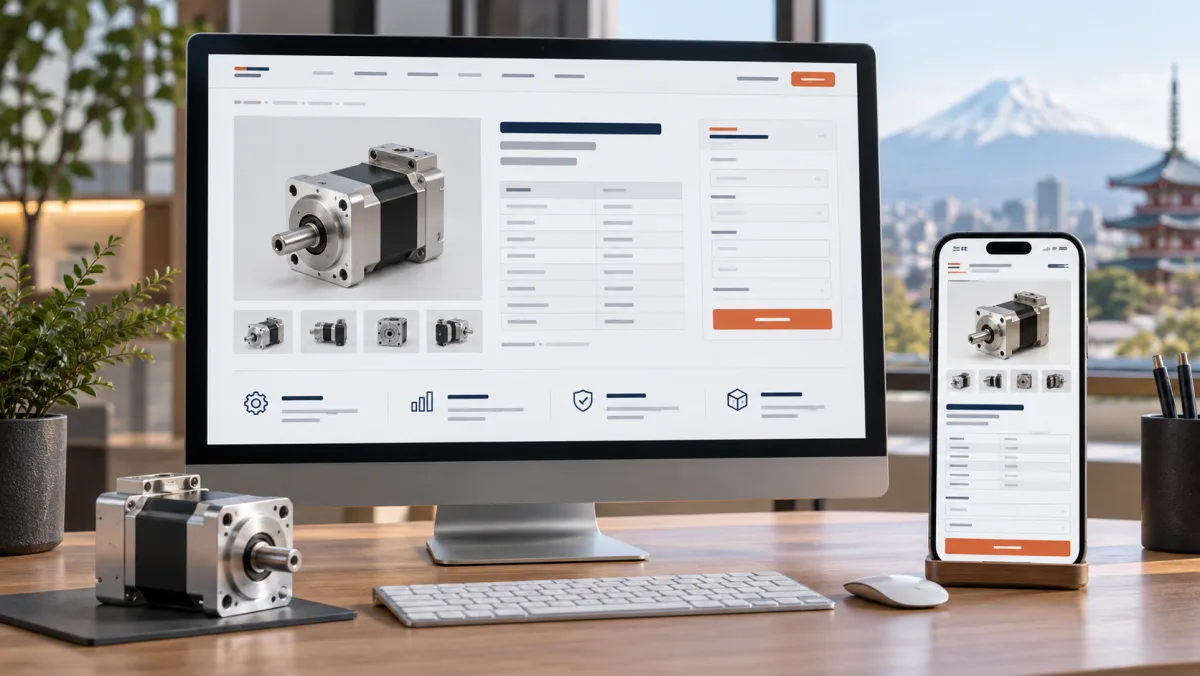
A translated product page can be grammatically accurate and still leave a prospective buyer unable to evaluate the offer. The missing information may be a compatible specification, an order condition, a document, or simply what happens after an inquiry.
For a B2B product page aimed at Japan, start with the questions involved in a purchase decision. Then decide which content, evidence, and internal process the page needs. Translation becomes one part of an organized handoff from product information to a useful conversation.
This approach does not depend on assuming that every Japanese buyer has the same preferences. It depends on a defined product, customer, application, and sales process. Use the Japan market research checklist if those foundations are still uncertain.
Define the buyer and the decision the page supports
Write a short page brief before commissioning copy. Name the target organization type, the likely reader's role, the product application, and the action you want the reader to evaluate. “Manufacturers in Japan” is often too broad to guide a useful page.
Distinguish the person researching the product from the people who may review its technical fit, purchasing conditions, or support arrangements. This is a planning exercise, not a claim that every company uses a fixed approval process. Validate the roles through actual research and conversations.
Identify the page's stage in the sale. A page introducing an unfamiliar product needs different evidence from a page helping an existing prospect request a compatible model. Choose one main next step and make supporting documents easy to find.
Connect that decision to your wider approach to selling products in Japan. A localized page cannot resolve an undefined distribution model or an unanswered question about who will serve the customer.
Organize the page around evaluation questions
Create an outline in the order a reader can use it: what the product is, what application it addresses, which version is relevant, what evidence is available, what the commercial process involves, and how to ask a specific question.
Keep each claim close to its support. If a sentence states a performance result, identify the relevant test, model, conditions, and limitations. If that evidence is not available for publication, revise the claim rather than adding an unrelated logo or broad reassurance.
Use descriptive section headings that let a reader find specifications, compatibility, documents, and inquiry information. W3C's accessibility writing guidance recommends meaningful headings and informative link text as part of making web content easier to use. Read W3C's writing guidance.
Separate product facts from proposed positioning. A manufacturer-approved specification belongs in a controlled source record. A suggested headline or application angle belongs in the copy review. Keeping those categories distinct makes disagreements easier to resolve and reduces the chance that a persuasive phrase becomes an unsupported technical promise.
Build a specification and terminology source of truth
Before translating, prepare a small terminology and data sheet. Include product names, model codes, units, dimensions, operating conditions, compatible components, document titles, and preferred translations. Identify terms that should remain in their original form.
Use one approved source for each value. Record the source document, revision, responsible product owner, and any restrictions on its use. If the web page, brochure, and data sheet disagree, obtain a decision rather than asking a translator to choose the most plausible number.
Content element | Review question |
|---|---|
Product and model names | Do the page, drawing, form, and quotation identify the same item? |
Units and dimensions | Are units explicit, conversions checked, and measurement conditions clear? |
Performance statements | Is the supporting evidence relevant to the exact claim and model? |
Commercial information | Are availability, quantities, support, and delivery statements approved? |
Technical documents | Is the linked file current, readable, and clearly labeled by language? |
Inquiry handoff | Does the receiving team know which product and request the form concerns? |
Translation review should include meaning as well as fluency. A natural sentence is not acceptable if it broadens a warranty, removes an operating limitation, or changes an approximate value into a guaranteed one. Require separate technical and language approvals where the content warrants them.
Localize the route through the page and form
Review the surrounding experience, including menus, document links, error messages, form labels, confirmation text, and language switching. A Japanese product page that leads to an unexplained form in another language creates an avoidable gap.
W3C's internationalization guidance addresses declaring a page's language, using Unicode, supporting relevant local form formats, and making localized versions discoverable. These are implementation considerations to check alongside the copy. See W3C's internationalization quick tips.
Ask for information the receiving team can use: product or model, intended application, country, organization, and the question the reader wants answered. Decide which fields are essential for this stage. Explain unusual formats and make labels visible rather than relying on examples that disappear when someone types.
Check keyboard use, link meaning, document readability, and the layout at smaller screen sizes. Have a reviewer work through a concrete task, such as finding a model's dimensions and asking about compatibility. A copy review alone cannot establish that the complete inquiry route works.
Test the message with a concrete product example
Imagine a fictional supplier of a modular industrial workbench entering Japan. The original headline says “Transform your workplace.” A direct translation preserves its tone but leaves several practical questions unanswered.
For a defined buyer application, a revised outline might introduce the workbench type, show its configurable dimensions, explain compatible accessories, link to an approved drawing, state what information is needed for a quotation, and provide an application-focused inquiry route. This is a hypothetical content exercise, not a customer case or a proven conversion improvement.
The product owner would verify load statements and compatibility. The commercial owner would approve what can be said about supply and support. The Japanese-language reviewer would check terminology, clarity, and the relationship between the headline and the evidence.
If research shows that a different application matters more, revise the outline. Do not retain an unsuitable positioning idea simply because its translation has already been paid for. The objective is a page that supports a real decision, with claims the company can stand behind.
Assign ownership after publication
Before launch, name the owner of incoming inquiries and the route for technical questions. Define what the confirmation message can truthfully say. Publish a response-time promise only if the team has approved and can support it.
Keep a release record with the page, language version, approved source documents, reviewers, and publication date. When a specification or commercial condition changes, review the page and associated downloads together. A current headline with an outdated technical attachment still leaves the buyer with conflicting information.
Evaluate results with evidence available to you: relevant inquiries, recurring unanswered questions, documented usability issues, and correctly configured measurement. Page publication by itself is not proof of demand or sales growth.
For help scoping the work, review our localization and marketing support, then discuss your product page and target buyer. Bring the current page, approved product documents, intended customer, and the decisions the page should help them make.