A handmade ceramic bowl looks compelling in a showroom. For a retailer, the next questions are practical: how much variation will customers accept, can the workshop repeat the design, how should it be cared for, and what happens if a shipment breaks?
Those questions do not diminish the craft. They help present it honestly and build an order the maker can fulfill. Buying Japanese craft products for an overseas market involves product selection, provenance, specification, packaging, and a realistic production relationship.
Define the product's place in your assortment
Start with the intended customer and use. A display object, an everyday bowl, and a hospitality item used repeatedly have different expectations. Define the retail price range, pack format, expected order size, and sales channel.
Consider what the customer needs to understand before purchasing. Dimensions, materials, weight, finish, care, and permitted uses are part of the offer. A beautiful origin story cannot answer whether an item suits a particular use.
For an illustrative retail assortment, a small selection with clear uses may be easier to explain and replenish than a wide collection with many finishes. Ask how the proposed mix affects production and minimum quantities before committing to the catalog.
Verify the maker and the origin story
Establish who makes the item, where the work takes place, which processes are performed there, and whether other workshops or suppliers contribute. Agree which names and descriptions may appear in marketing.
Japan has a formal designation system for traditional craft products. METI describes criteria involving everyday use, substantial handwork, traditional techniques and materials, and a production area. Do not imply that every handmade or Japanese-designed product holds that designation.
If the seller claims a particular designation, award, artisan qualification, or regional origin, request supporting information and confirm the scope. Attribute the work accurately; a retailer, brand owner, and individual maker are not necessarily the same party.
Agree what acceptable variation looks like
“Handmade variation” needs an agreed meaning. Ask for representative samples or images showing the range in shape, color, texture, and finish that may occur. Distinguish an intended characteristic from damage or a functional defect.
Write the acceptance criteria in language the maker and receiving team can use. Photographs can support the description, but include measurements or other objective limits where necessary.
For a hypothetical glazed bowl, small visual differences might be acceptable while instability on a flat surface is not. The actual criteria should be agreed for the product and use. Do not promise consumers that every item matches a single photograph if the production method creates visible differences.
Check suitability for the destination and intended use
Give the destination specialist the materials, finish, and proposed use. Food-contact products, textiles, children's items, and other categories can raise different requirements. A craft designation is not a substitute for destination product compliance.
Request evidence supporting care and performance statements. Dishwasher-safe, microwave-safe, heat-resistant, or allergy-related wording should not be inferred from appearance or from another product in the range.
If the workshop cannot support a desired claim, change the proposed use or marketing rather than making the claim in translation. Keep the final approved product information available to sales and customer-service teams.
Plan production with the workshop's actual capacity
Ask how orders fit into the production calendar, which steps constrain output, and what affects timing. Clarify whether the order is made to stock, made to order, or assembled from several makers' work.
Distinguish an estimate from reserved production capacity. Agree what confirms the order and what information or payment the workshop needs before work begins.
A custom color or shape may require trials and create additional rejects or setup work. Ask for a development stage and approval process before committing to commercial quantities. Do not assume that multiplying a sample price by the order quantity captures the cost of customization.
Cost the product after packing and delivery
Include protective packaging, export handling, freight, destination charges, applicable duties and taxes, and expected internal handling in the cost model. Have the appropriate specialists confirm transaction-specific figures.
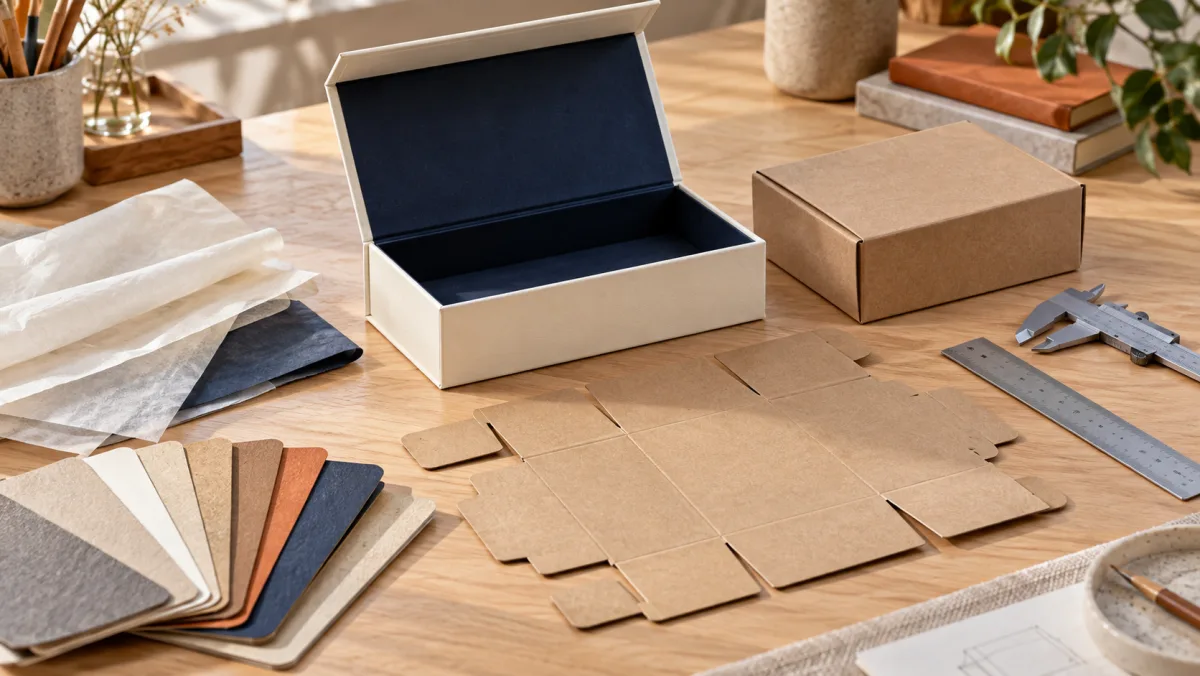
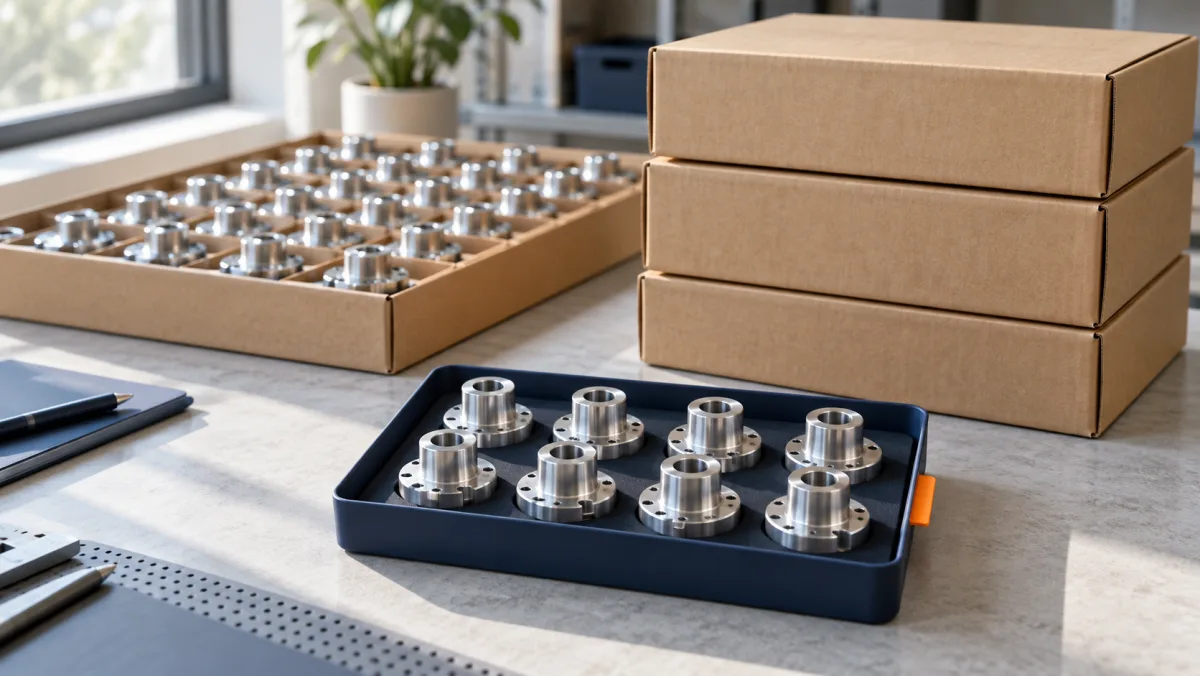
Compare options for retail-ready and transport packaging. A gift box may support the retail offer but still need outer protection for international shipment. Confirm who designs, supplies, tests, and pays for each layer.
Decision | Question for the maker or logistics provider |
|---|---|
Fragile goods | How is movement and impact controlled inside the carton? |
Mixed assortment | How are items identified and packed for receiving? |
Replacement items | Can individual pieces be supplied, and on what schedule? |
Storage | What environmental conditions should be maintained? |
Damage claims | What evidence and notification process apply? |
Do not assume insurance covers every type of breakage or defect. Check the actual terms separately from the packing plan.
Prepare a product page that respects the work
Use accurate photographs showing scale, finish, details, and the expected range of variation. Obtain permission for workshop, maker, and process images. Agree rights and credit where appropriate.
Write specific descriptions. Explain how the material or process affects use and care, and distinguish verified history from a general story about Japanese craftsmanship. Avoid invented anecdotes or attributing a philosophy to a maker who has not said it.
Give customer service the same approved information. A consistent care explanation is useful after purchase, particularly when a product differs from mass-produced alternatives the customer already knows.
Start with a replenishment plan
A successful first order creates another question: can you replenish at a useful time and maintain the agreed range? Discuss repeat ordering, discontinued materials, packaging stock, and notice for changes.
After delivery, review variation, condition, customer questions, and actual costs with the maker. Share actionable information rather than asking for general improvements. If a photographed detail confused buyers, revise the product page; if packaging failed, investigate the packing and transport evidence.
Our buyer support information explains how to begin a supplier coordination project. Bring the intended market, use, assortment, and approval questions. The goal is a buying relationship that makes the product understandable to customers and workable for the people making it.