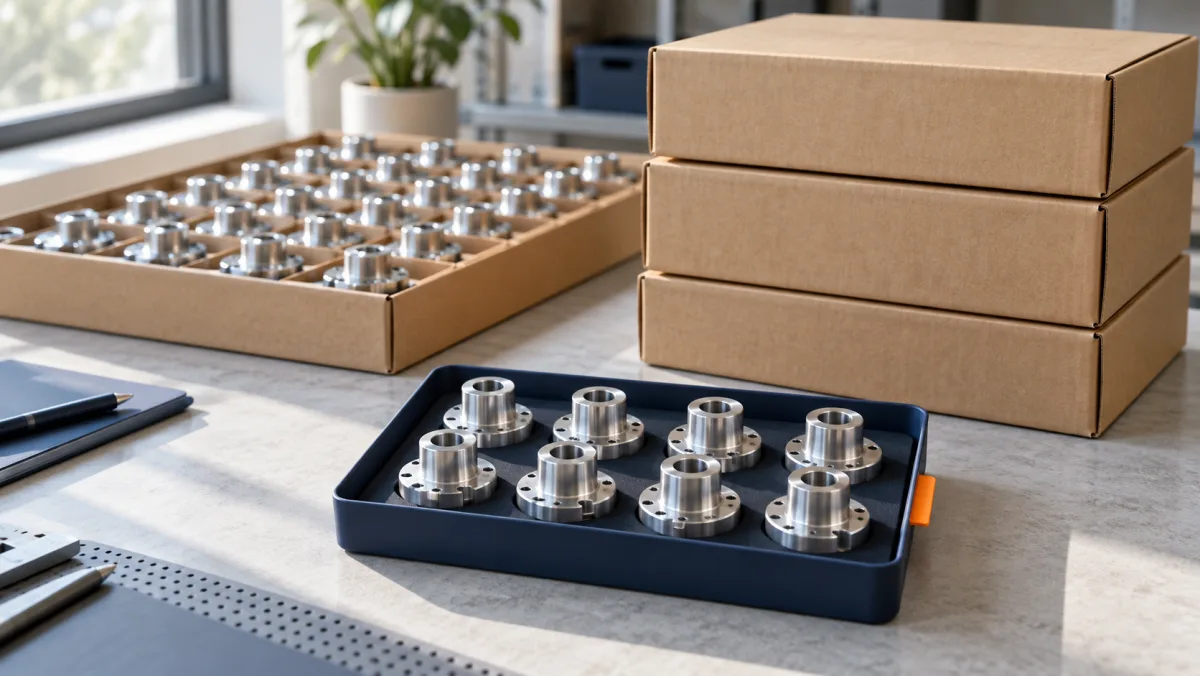
A supplier's website displays several certification logos. Before adding them to your qualification file, ask what each one covers. A management system, an agricultural product, a laboratory test, and permission to sell in a destination market are different types of evidence.
The useful question is whether the document supports the requirement for the product and transaction you are evaluating. Start with the requirement, then select the evidence. Collecting logos first can leave an impressive folder that still does not answer the buyer's question.
Separate the different claims
Ask whether a document concerns the organization, manufacturing site, product, process, or a particular tested sample. Record that distinction beside the claim.
Evidence type | What to investigate | What not to assume |
|---|---|---|
Management-system certification | Certified entity, sites, scope, standard, and validity | Every product is approved for your use |
Product or production certification | Covered goods, operator, process, and permitted claims | All catalog items are included |
Test report | Sample identity, method, conditions, date, and result | Every future batch has the same result |
Regulatory document | Issuing authority, product, market, and applicable conditions | Permission applies in every country |
Customer audit | Site, scope, findings, and closure | Another buyer's requirements match yours |
The table is a review framework. The specific document and scheme determine what can properly be concluded.
Understand what an ISO claim means
ISO explains that it develops standards but does not issue certification. Certification is performed by external bodies. Ask for the certificate rather than treating an ISO logo or the phrase “ISO certified” as sufficient.
For an ISO 9001 claim, identify the certified quality management system and its scope. It is not a blanket product approval. ISO's conformity-assessment guidance specifically distinguishes management-system certification from product certification.
Check the entity, address, operations, dates, standard version, and issuer. Where a claim is important to qualification, verify it through the issuing body's appropriate process or the relevant scheme's official verification route. If the information is unclear, ask for clarification before recording it as verified.
Check site and activity coverage
A certificate may name a headquarters while production happens elsewhere, or cover one activity within a larger group. Ask whether the site and process making your product are within its scope and request the supporting schedule where applicable.
Identify subcontracted operations. The main supplier's documents may not establish what you need to know about an external processor. Decide with your quality or regulatory team which evidence is necessary for that operation.
Keep company names precise. A similar brand name does not prove that the proposed contracting entity or production site is the entity named in the document. Resolve differences rather than silently treating them as equivalent.
Review Organic JAS and destination claims carefully
Organic JAS is relevant to particular certified products and operators. For exports, whether and how an organic claim can be used depends on the destination arrangement and its conditions.
MAFF publishes organic equivalency information, including market-specific requirements. Ask the certifier and destination specialist to confirm coverage, shipment documents, and proposed labeling for your product.
Do not generalize an organic credential into a claim that every ingredient, process, or product is free of all substances a customer might be concerned about. Use wording supported by the applicable standard and evidence, and have consumer-facing claims reviewed for the destination.
Ask what a food-safety statement refers to
A supplier may describe HACCP-based procedures, an audit, or certification to a food-safety scheme. Ask for the exact basis of the statement rather than treating the word HACCP as one universal certificate.
Determine which site, production line, products, and activities were assessed, when the assessment occurred, and what evidence can be shared. Your destination specialist or customer may require a particular scheme or additional documents.
Keep food-safety management, product testing, ingredient information, and import eligibility as separate questions. The Japanese food sourcing guide explains how those workstreams fit into a buying process.
Read a test report as a record of a test
Identify the tested sample, model or formulation, method, conditions, laboratory, report date, and result. Ask whether the report applies to the product revision you intend to buy.
If the product has changed, have the responsible specialist determine whether the evidence remains sufficient or new work is required. Do not assume that a passed test for a similar model covers the complete range.
Also confirm how production consistency is controlled after the test. A report about a sample and the records for routine batches answer different questions. Your qualification process may need both, depending on the risk and applicable requirements.
Create an evidence register
Use a small register connecting each requirement to a document and a review decision. Include the product, site, issuer, scope, date, reviewer, unresolved questions, and next review trigger.
A record such as “quality certificate received” is incomplete. A better record says that the named document was checked for a particular site and scope, identifies any limitation, and names the person responsible for the remaining question.
Keep received, reviewed, and accepted statuses distinct. A supplier upload is not your team's approval. Likewise, an expired document may need an updated version or explanation before you decide what it means for the order.
Resolve gaps before using claims in marketing
Share specific questions with the supplier. Request a missing scope page, clarification of a company name, or an explanation of a model difference. Avoid broad accusations where the evidence may simply be incomplete.
If an essential requirement cannot be demonstrated, have the responsible buyer, quality, or regulatory team decide whether further review, testing, a different product, or another supplier is needed. Record the decision and its basis.
Do not place a certification mark on your own product page, packaging, or presentation without confirming that the use is permitted. A supplier's permission to use a mark may not extend to your proposed use.
For broader factory qualification, see the manufacturing quality checklist. For help organizing a sourcing discussion, start with our buyer support information. Bring the actual requirements and documents so the conversation can move beyond logos to evidence that supports the purchase.